truffle
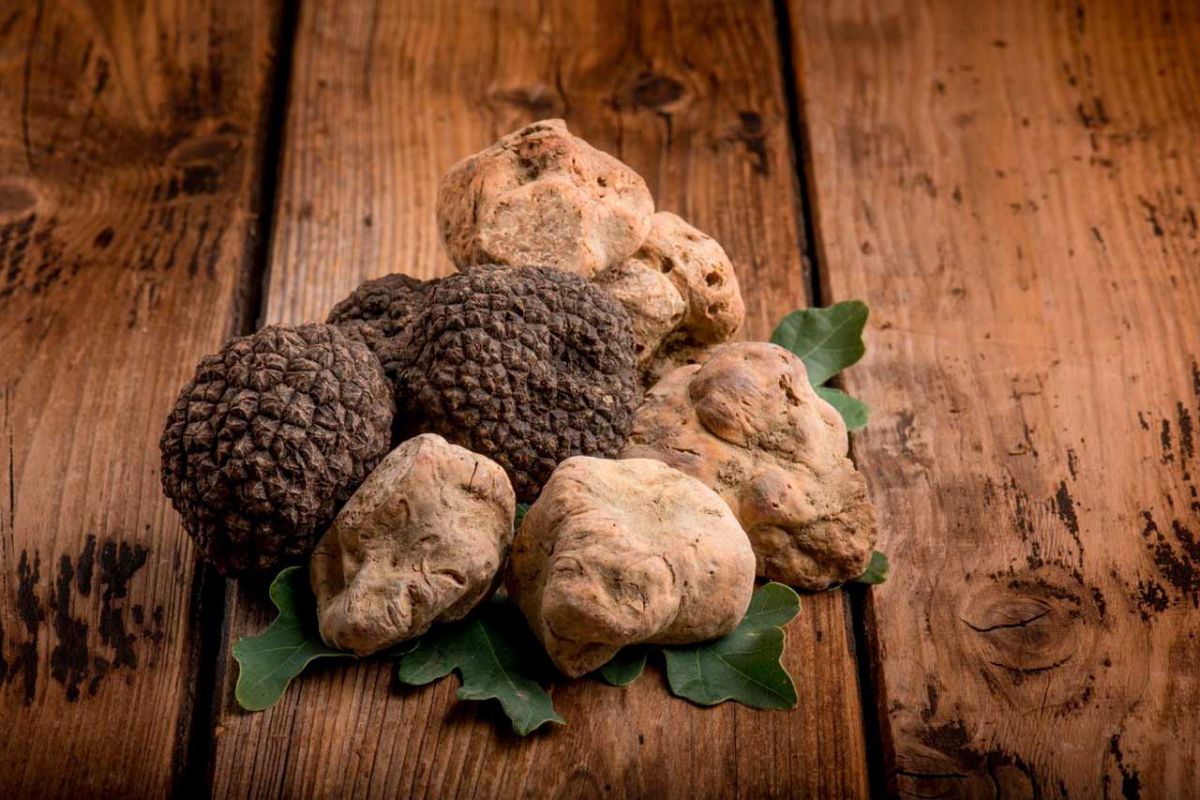
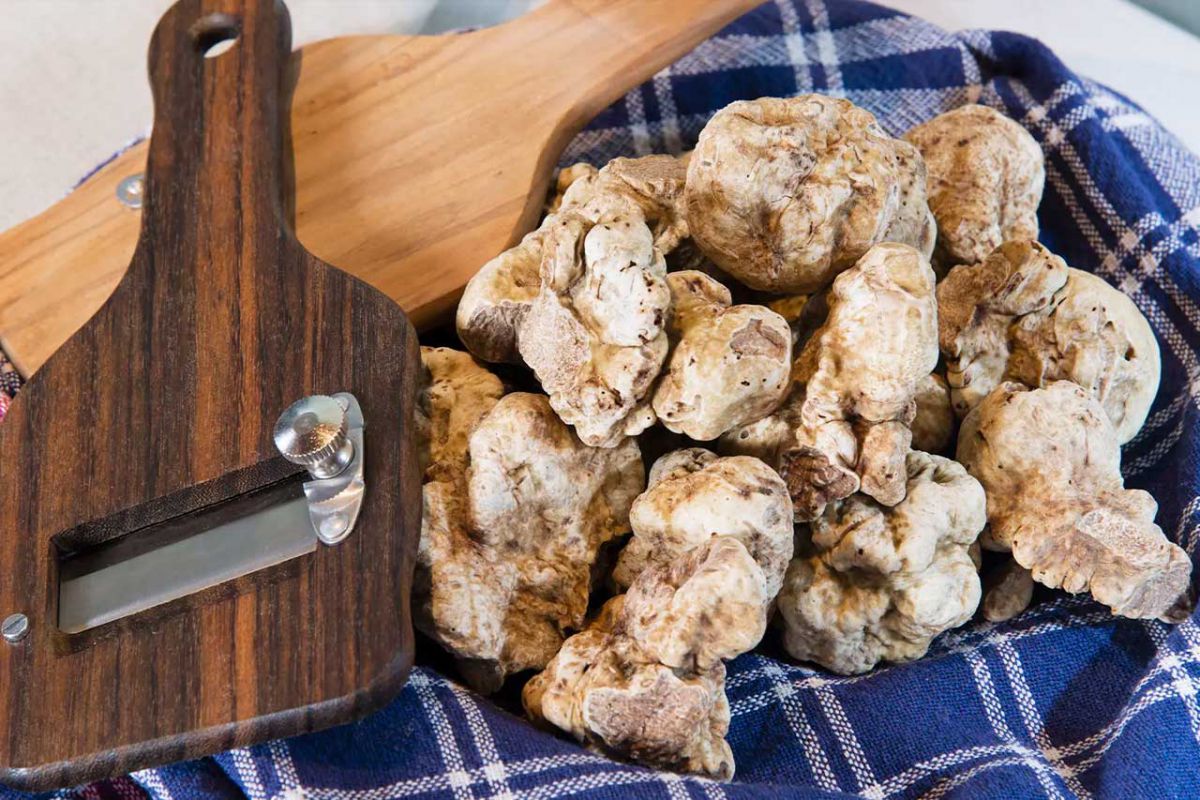
Precious and with an unmistakable scent, the truffle was already known and appreciated in ancient times.
Its unique aroma was already known among the Etruscan populations who used it to enrich their dishes, combining it in particular with different types of meat and eggs with culinary combinations that seem to anticipate modern trends. And it seems that the Romans discovered it precisely from them, who for its delicacy considered the truffle a food of divine origin: created by the sacred lightning of Jupiter and dear to him, hosted and enjoyed with appetite in the wonderful tables of Olympus.
A passion, that for the truffle that has been handed down over the centuries, conquering famous people of history and stimulating the creativity of the chefs and the appetite of the gluttonous.
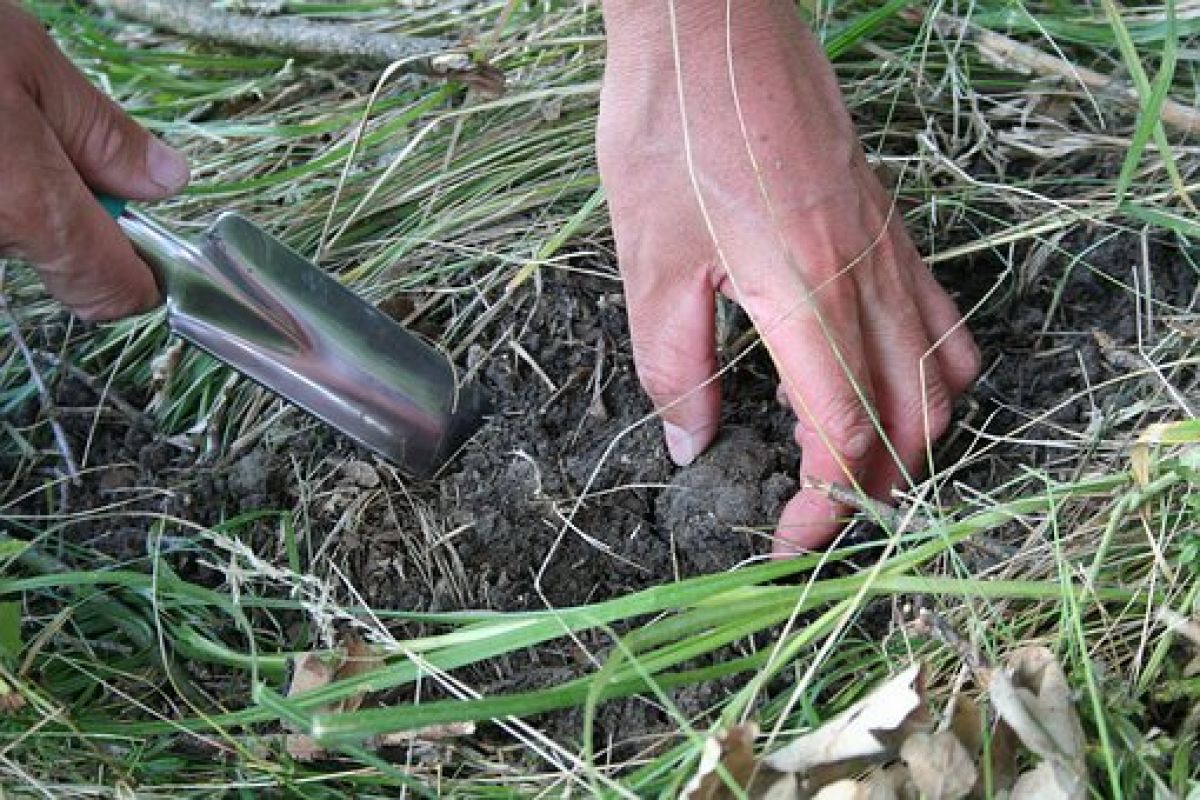
Ficulle has always been a land of truffles. At the time when the countryside was bustling with peasant life, there was not a family that did not have at least one truffle dog and the sale of the precious product was profitable. Even today the soil is rich in it and there are numerous amateur and professional seekers. The truffle is mainly marketed elaborated in sauces and creams, more rarely fresh for obvious conservation reasons.
Particularly noteworthy is the presence within the La Nocella Forestry Company of a large truffle ground of 13ha, registered in the Register of Controlled Tartufaie of the Umbria Region, within which since 2001 scientific research has been carried out on biodiversity and development of truffles. In particular, the research conducted here in collaboration with national research institutes is aimed at integrating the scientific notion of eco-sustainable production processes and the propagation of truffles with the aim of appreciating the value and impact on the forest ecosystem and soil biodiversity. of forestry practice and sustainable collection of wild truffles. The most recent studies show how climate change is strongly affecting the production of truffles, and provide an important alarm bell about the need to protect biodiversity and conserve the natural habitat.
The reserve can be visited by appointment: a very nice experience to discover the biodiversity of the forest, the characteristics of the truffle and the environmental and climatic conditions that favour and hinder formation.