Wine
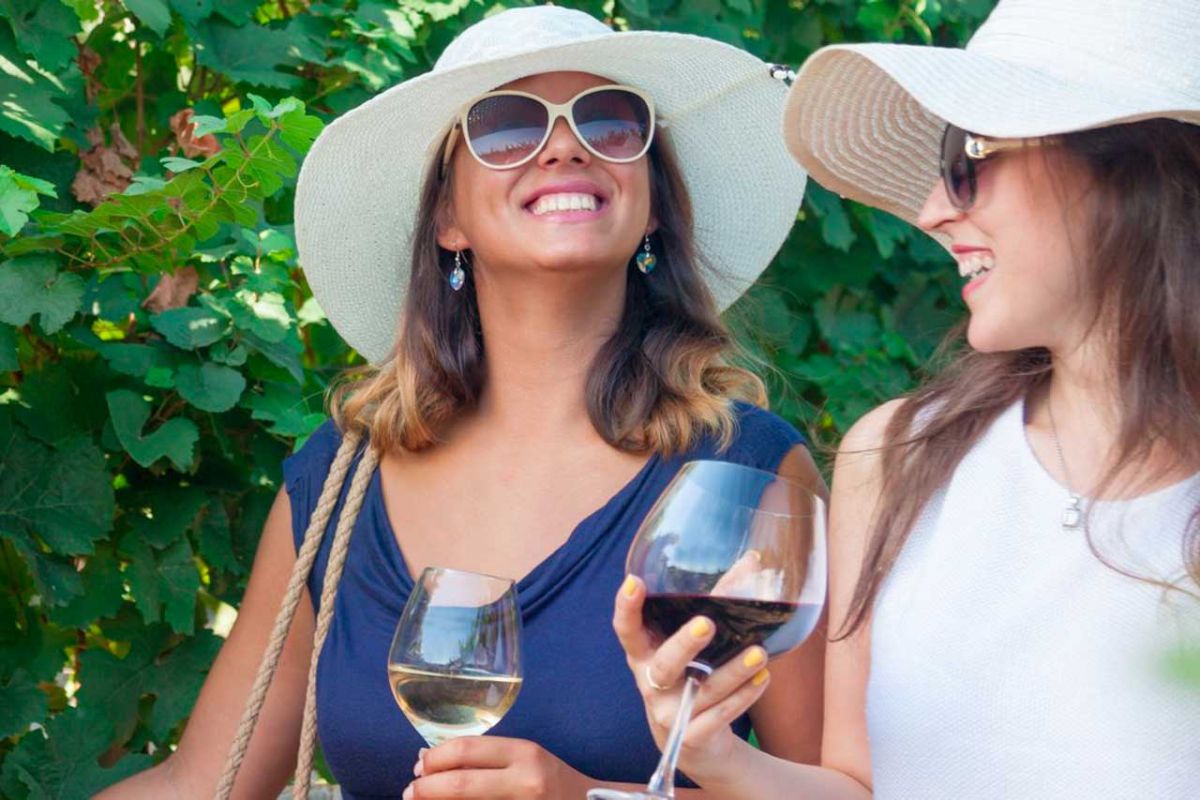
The territory of Ficulle has always been dedicated to the cultivation of vines and the production of wine. A true paradise for wine tourists, in the territory of Ficulle, wines of extraordinary quality, internationally renowned, are produced and there are vineyards and cellars of rare beauty. Tourists from all over the world come to Ficulle attracted by the wine produced here, and then discover its deep connection with the territory, culture and local history.
Viticulture in Ficulle has a very ancient history.
The historical importance of viticulture in the territory of Ficulle is demonstrated by the extensive discussion in the Statute of the Castle of Ficulle of 1534. At the time, the harvest even assumed the character of a civic event, so that the statute established rules that were not determined for other crops or present in other statutes of the time, even entrusting the Podestà and the General Council with the power to define the timing of the harvest and to mark the different stages of wine production with precise authorizations. A tradition, that of winemaking, which probably has even more ancient roots in the territory and seems to be able to date back to the time of ancient Etruria as evidenced by the widespread presence on the territory of married vines, that is, vines raised from the ground in accordance with a specific farming system, practised precisely by the Etruscan populations and by the numerous caves present in the area attributed to the Etruscan-Roman period.
Non-reproducible pedoclimatic characteristics make it a territory suited to the production of great wines.
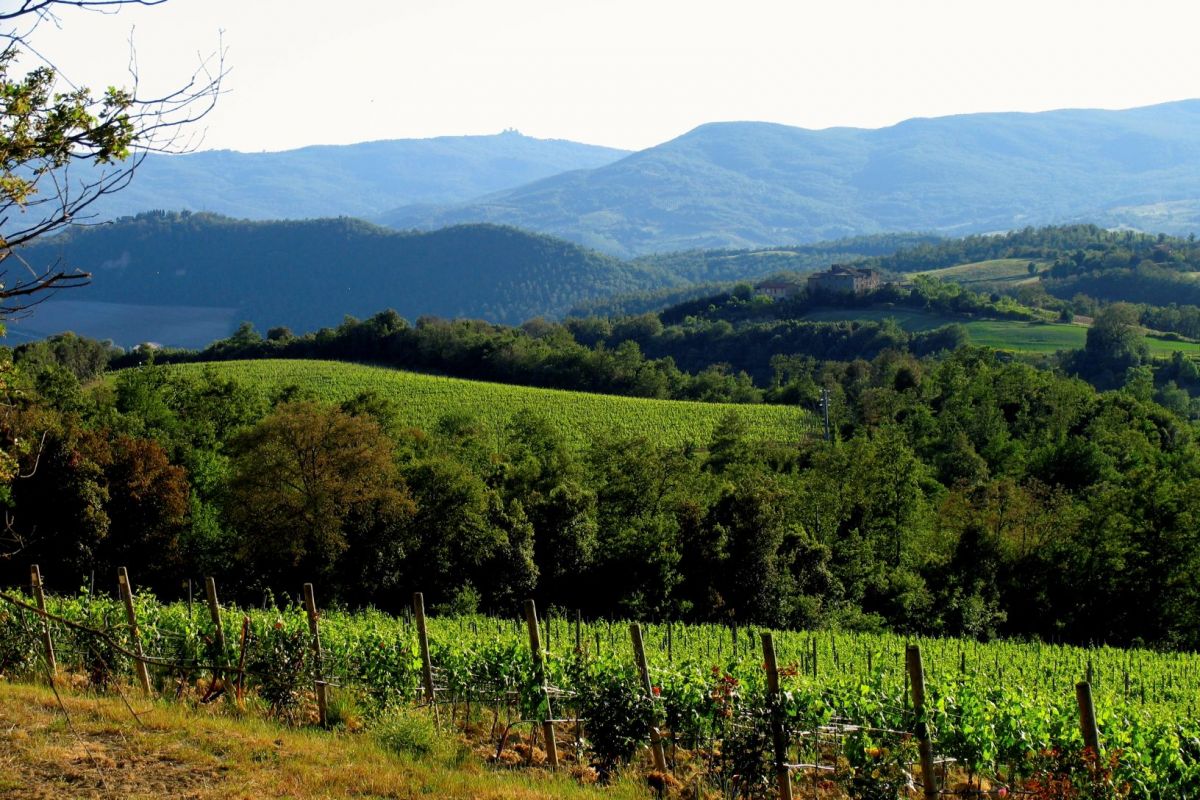
Ficulle was defined by Mario Soldati in the book Vino al Vino "a village on the crest" as it stands on the top of a plover located at 400 meters above sea level. The largest areas under vines are located in the south-eastern area of the municipality, in particular in the Sala and Montiano area, as evidenced by the publication "I cru di Enogea". In the territory, distinctly clayey soils typical of the calanchiferous areas alternate with soils with a more loose and sandy character characterized by the presence of fossils and shells. The climate is generally characterized by generally dry summers and significant excursions between day and night temperatures. It rains in late autumn and in the early winter months. Winters are quite mild, with sporadic snowfalls.
The particular pedoclimatic characteristics, in addition to explaining the importance of viticulture in the history of Ficulle, offer an extraordinary habitat both for the cultivation of autochthonous and international red and white grape varieties, as well as a healthiness that allows the practices of organic or low phytosanitary intervention. In the vineyards spread along the slopes of the plover, native varieties alternate - Sangiovese, Aleatico, Trebbiano and Grechetto - and international varieties - Chardonnay, Merlot, Cabernet, Pinot Nero - some of which have been present since the beginning of the last century. The vineyards of the Sala are part of the Orvieto Classico area while the rest of the area is part of the Orvieto DOC, although due to the presence and the meeting of national and international varieties, most of the CRU wines are IGT.
Where wine becomes art.
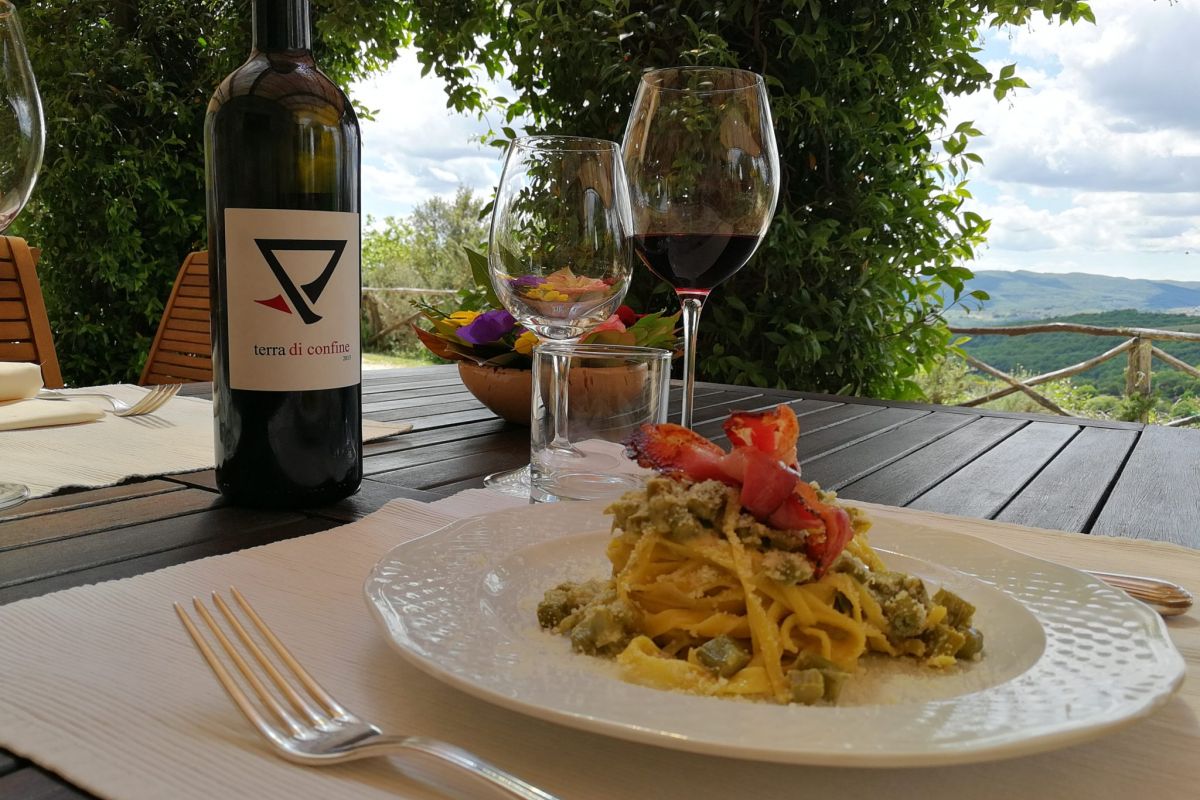
Thanks to the combination of these cultural, geological and climatic elements, today Ficulle is characterized by the production of excellent wines, which express the defined, elegant and balanced character of an extremely original terroir. The resulting wines are, according to the famous oenologist Renzo Cotarella, wines of very high potential, with a marked personality and depth, but at the same time oriented towards sweetness and pleasantness. Wines therefore that demonstrate the art of wine, but then become in turn a form of art, among which world-famous masterpieces stand out such as the famous Cervaro della Sala, the wine that does not know the time, elected by critics the best white wine of Italy.